Top Family, Cosmetic and Implant Center In 537 Amherst St, Nashua, NH 03063
How Nail Biting and Pen Chewing Can Ruin Dental Bonding in Nashua

We all have some habits – whether it is biting your nails or chewing on pens, it may not look like a big deal, but your dental health could be suffering silently without you knowing it. You might ruin your dental bonding, an often-used procedure to improve your teeth for aesthetic or functional reasons. So, if you live in Nashua, NH, and happen to have one of these two habits, it is time to know what’s wrong.
At Advanced Family Teeth, we are here to continue educating, instructing, advising, and empowering our clients to optimize their dental health and ensure an everlasting, gorgeous smile. So, in this blog, let’s explain why nail biting and pen chewing can ruin your dental bonding and give you some practical information to guard your smile.
What’s Dental Bonding
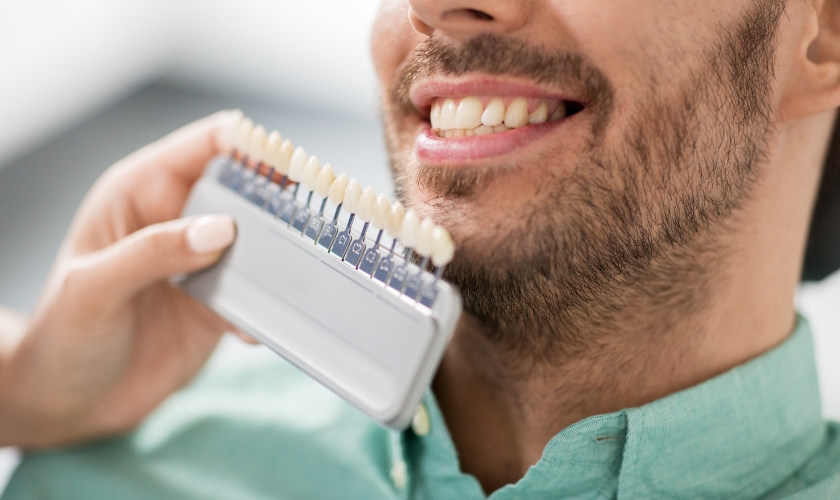
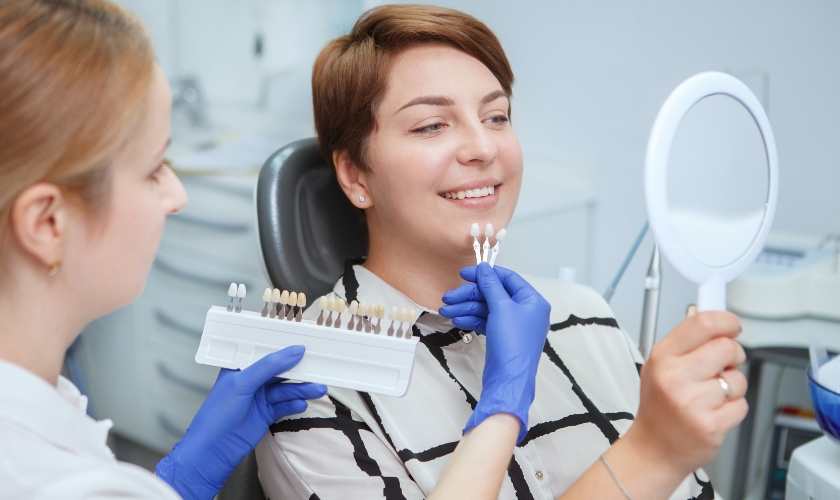
Dental bonding is a non-surgical procedure that’s now an extremely popular and affordable option for many people in Nashua. It involves coating teeth with a tooth-colored resin to repair chips, gaps, discolorations, or similar imperfections, often used by patients looking to fix a bothersome flaw that has diminished their self-confidence. Moreover, it’s a cost-effective, safe, painless, and versatile method that has become dentists’ choice for a large portion of the population.
However, as great as dental bonding in Nashua is, it is not impervious to damage. Habits like nail biting and pen chewing can put unnecessary stress on the bonded material, leading to cracks, chips, or even complete failure of the bonding.
How Nail Biting and Pen Chewing Damage Dental Bonding
Do you habitually chew on your pen and bite on your nails? Both these habits put pressure on your teeth, which is not ideal for your dental bonding. This is how.
More Strain on Adhesive Teeth
Biting your nails and chewing on pens can apply forces that your teeth are not designed to withstand. Teeth that have been bonded are less able to withstand these forces than natural teeth, resulting in the cracking or chipping of the resin. If the bonding process is compromised, its effectiveness may be weakened, leading to costly repairs or re-bonding.
Surface Damage
Bonding material may wear away due to consistent friction. The surface of the bonding material can become rough and lose its shine due to nail-biting and pen-chewing. It can adversely affect the appearance of your teeth, making them appear uneven.
Risk of Infection
Nail biting exposes your teeth and gums to germs or bacteria. If you bite your nails or touch your mouth, you could be introducing harmful bacteria into your mouth. This can cause infections that may affect your dental bonding in Nashua. It may lead to uneasiness and, on occasion, necessitate vigorous dental treatment.
Dental Bonding: Protecting Your Bond
It is now clear to you how these habits can harm your dental bonding, so you should take steps to prevent them. The following are some of the tips that you can use to retain your bonding and have a healthy smile:
Break the Habit
If you tend to bite your nails or chew pens, you need to stop first. It is not always easy, but through hard work, you can achieve it. Distract your hands and mouth by trying stress-relievers like squeezing a stress ball or chewing sugar-free gum. It is also possible to use bitter-tasting nail polish to avoid biting.
Get Regular Checkups
At Advanced Family Dentistry, we recommend routine checkups to maintain the health of your dental bonding. In such appointments, we can identify early damage and provide solutions before it gets worse. Early detection of problems is cost-effective in the end.
Use a Mouthguard
If the habit of biting nails or chewing a pen persists, use a mouthguard, particularly at night. A mouthguard cushions your teeth against the excesses of these practices and helps avoid the damage.
Care for Your Teeth Properly
Good oral care will make your bonding last. Brush twice daily, floss regularly, and avoid chewing hard objects like ice or pens. This habit keeps your teeth, as well as your bonding, healthy and intact.
The Significance of Dental Bonding
If you are considering dental bonding, understanding its potential and limitations is important. Dental bonding has proven to be a useful, low-cost alternative for small cosmetic concerns. It can repair chips, gaps, and stains, giving you a natural-looking smile.
It is good to protect your bonding; therefore, avoid habits like biting nails and chewing pens. If you have difficulty with such habits or have additional questions, you can consult our dentist for a specific recommendation.
Take Care of Your Smile
One of the major aspects of your looks is your smile. It is important to ensure that your teeth are healthy and attractive to maintain the longevity of your dental bonding in Nashua. In case of any bonding issues or assistance with harmful habits, contact Advanced Family Dentistry. Our team is willing to assist you in having a beautiful, functional smile that you will maintain.
Book Your Appointment Today!
Are you interested in learning more about dental bonding protection, or would you like to book an appointment? Call Advanced Family Dentistry today to schedule your appointment.
Common Questions People Ask
1. Can I chew gum with dental bonding?
Chewing gum in moderation is usually fine, but sticky or chewy gums can put pressure on the bonding material. It’s best to chew gum that’s soft and non-sticky.
2. How long does dental bonding last?
Dental bonding typically lasts between 5 and 10 years with proper care. Regular dental checkups can help ensure the bonding remains intact.
3. Can dental bonding repair a chipped tooth?
Yes, dental bonding is an effective solution for fixing chipped teeth. It can restore the tooth’s appearance and function.
4. Is dental bonding a permanent solution?
Dental bonding is not permanent, but with good care, it can last for many years. However, it may need to be replaced over time due to wear and tear.