Top Family, Cosmetic and Implant Center In 537 Amherst St, Nashua, NH 03063

How Regular Dental Checkups Can Reduce the Risk of Gum Disease in Nashua
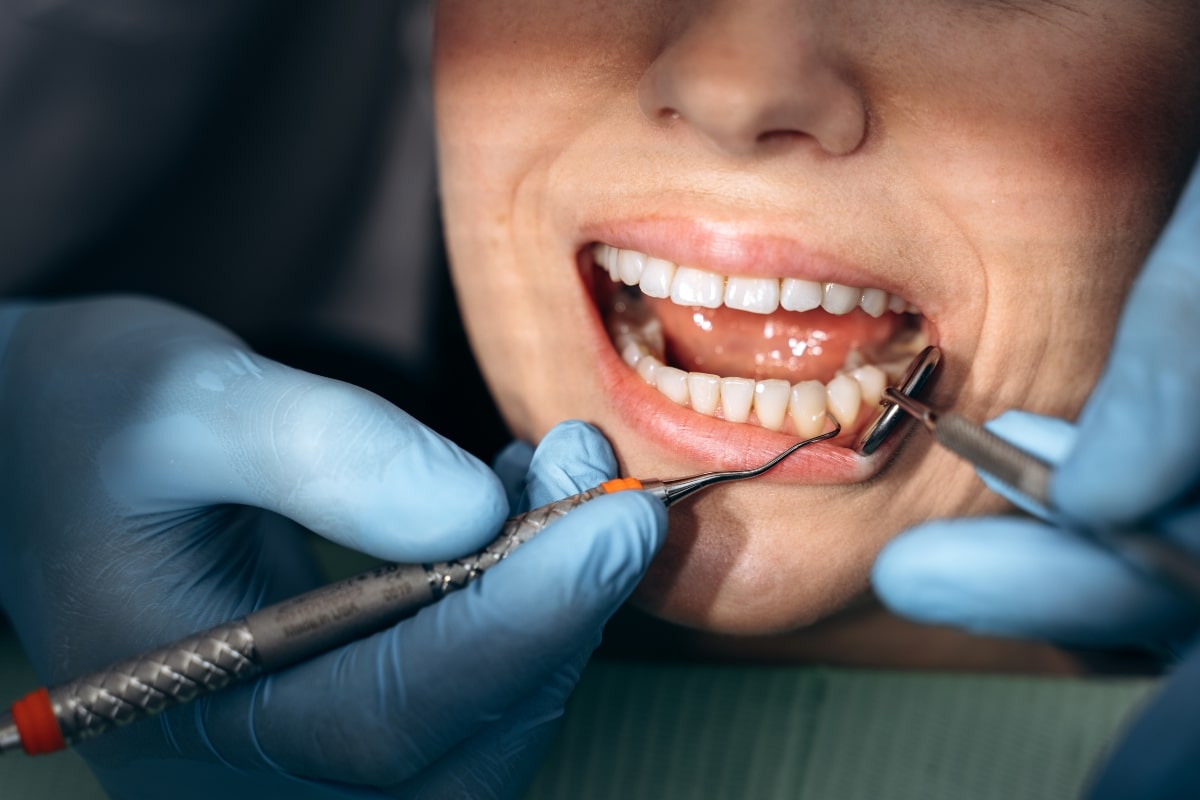
Good oral hygiene is more than brushing and flossing at home; it’s also about getting regular dental checkups. Visiting your Nashua dentist regularly can go a long way toward keeping you free from gum disease, which affects many adults and puts both their oral and overall health at risk. This blog covers how regular dental checkups not only keep your teeth clean but also prevent gum disease, helping protect your smile and overall health.
Gum disease begins when plaque, a sticky layer of bacteria that forms on your teeth and gums, becomes trapped. If it’s not removed, plaque hardens into tartar, which can lead to inflammation and bleeding and, ultimately, tooth loss. However, with regular oral checkups, you can catch gum disease early and prevent more serious problems for your smile. Here’s why these checkups are the difference-makers for your oral health.
Preventing Gum Disease with the Most Effectiveness
Treating gum disease is important for your gum health, but it is also critical to overall oral and body health. When left untreated, gum disease can progress to more serious health problems, including systemic diseases such as heart disease and tooth loss.
With regular dental checkups, your dentist in Nashua can catch these signs before they become more serious. Here’s why it’s so important to stay ahead of gum disease:
- Preserves Your Smile: Gum disease can cause your gums to recede and your teeth to loosen, and if left untreated, it can progress further. Avoiding it helps keep your smile healthy for years to come.
- Improves Overall Health: Studies have indicated that gum disease may be linked to serious health issues, including diabetes, heart disease, and respiratory problems. As such, keeping your gums healthy helps to reduce the risk of these complications.
- Saves Time and Money: Gum disease can be prevented by detecting and treating it early, avoiding costly, time-consuming procedures later. Regular visits allow you to address problems before they get worse.
- Promotes Better Breath: The bacteria in your mouth can cause bad breath, a side effect of gum disease. And by stopping it, you’ll have fresher breath and feel more confident when speaking to people.
The Signs of Gum Disease and the Importance of Early Diagnosis
Gum disease usually starts slowly and is pain-free, so it’s not easy to notice in its early stages. Early detection is vital; it can prevent the disease from developing into something more serious. The sooner it is detected, the easier it is to implement less invasive treatments that may help save both your gums and teeth.
Here are some of the common signs of gum disease that you should be aware of:
- Bleeding Gums: If your gums bleed during brushing or flossing, it could be an early warning sign of gum disease, which commonly results from plaque accumulation at the gumline.
- Swollen, Red, or Tender Gums: Gums should feel firm and pink. Red, swollen, or sore gums may indicate inflammation associated with gum disease.
- Persistent Bad Breath: A persistent bad taste or bad breath (halitosis) can indicate that you have a gum infection brought on by the bacteria in your mouth.
- Receding Gums: If your gums seem to be pulling away from your teeth, revealing more of the tooth or its root than is healthy, it’s an indication that gum disease has progressed.
- Loose or Shifting Teeth: Gingivitis can compromise the structures that support your teeth, leading to loosening or shifting.
- Pain While Chewing or Biting: Pain while chewing or biting may indicate that gum disease has reached the tooth roots and the underlying bone.
If caught early, treatment is easier and may involve procedures like scaling and root planing, which can halt gum disease in its tracks.
How Gum Disease Affects Your Overall Health
Although gum disease mainly has consequences on your oral health, it can go further than that. Research has found that the bacteria from infected gums can enter the bloodstream and ultimately lead to numerous serious health conditions. When you realize this connection, you will understand how preventing gum disease is important for prevention beyond just a healthy smile.
Here is how gum disease can influence your general health:
1. Raises the Risk for Heart Disease
There has been an association between gum disease and increased risk for heart disease. The inflammation triggered by gum infection can build up plaque inside the arteries, increasing the risk of heart attacks and strokes.
2. Worsens Diabetes Control
Diabetes makes people more vulnerable to gum disease, and if undetected, gum infections can interfere with blood sugar control. Maintaining healthy gums can support better diabetes management.
3. Linked to Respiratory Problems
Bacteria from infected gums may also be aspirated into the lungs, increasing the risk of respiratory infections (including pneumonia) and worsening conditions such as chronic obstructive pulmonary disease (COPD).
4. Contributes to Pregnancy Complications
Pregnant women with gum disease have an increased risk of complications such as preterm delivery or low birthweight. Hormone levels may be affected by gum disease, which can affect pregnancy outcomes.
5. May Influence Rheumatoid Arthritis
Inflammation of the gums can affect joints or connective tissues, leading researchers to find an association between gum disease and rheumatoid arthritis.
Keeping your gums healthy helps keep your teeth intact and supports your overall health. Routine dentist visits also help identify and control gum disease before it becomes an issue for your overall health.
What to Expect During a Dental Checkup
During a dental check-up, there are several key components:
- Complete Cleaning: Removal of tartar and plaque (supragingival and gingival).
- Gum Assessment: Measurement of the gum pocket depths to detect any signs of gum disease.
- Oral Cancer Screening: A test to look for signs of oral cancer or other issues in the mouth.
- X-Rays: At times, X-rays are used to assess bone structure in greater detail and to discover underlying dental problems.
When your dentist ensures these steps are performed regularly, you minimize the risk of gum disease and keep your mouth healthy and functional.
Take Action Now: Protect Your Gums and Your Health
Your routine dental check-ups will also help you prevent gum disease and maintain oral health. In Nashua, if you visit your dentist regularly, you can catch early signs of gum disease, have professional cleanings, and receive personalized recommendations to improve your home care routine. Here at Advanced Family Dentistry Nashua, we strive to keep your gums healthy and your smile shining!
Don’t wait for gum disease to get worse; call us to schedule an appointment at Advanced Family Dentistry Nashua. We offer high-quality services with the best team at your appointment, and we will help you take the first step toward maintaining your oral health. Regular dental checkups will save you time, money, and stress in the long run.
Questions People Ask About Gum Disease
1. How often should I visit my dentist to prevent gum disease?
Regular visits to your dentist every six months are essential for maintaining good oral health. However, if you’re at higher risk for gum disease, more frequent visits may be recommended.
2. What are the early signs of gum disease?
Early signs of gum disease include swollen, bleeding, and tender gums, as well as bad breath. These symptoms often go unnoticed, but regular checkups can help detect them early.
3. Can gum disease cause tooth loss?
Yes, if left untreated, gum disease can cause tooth loss. The infection can damage the bone and tissues supporting your teeth, leading to tooth mobility and eventual loss.
4. Is gum disease reversible?
In the early stages (gingivitis), gum disease can be reversed with proper treatment. However, if it progresses to periodontitis, the damage becomes irreversible, requiring more advanced treatment.
5. Can I prevent gum disease at home?
While good brushing and flossing habits are crucial, regular dental visits are necessary for professional cleanings and early detection of gum disease, which home care alone cannot prevent.
6. What is scaling and root planing?
Scaling and root planing are non-surgical treatments that remove plaque and tartar from below the gumline. This helps treat gum disease and prevent further infection.