Top Family, Cosmetic and Implant Center In 537 Amherst St, Nashua, NH 03063

Are You a Candidate for Dental Implants? What Nashua Residents Should Know

Dental implants are a unique, long-lasting option for improving function and appearance when replacing lost teeth. So are residents of Nashua potential benefactors of this life-changing treatment? So even though dental implants have a high success rate and can restore natural-looking teeth, not everyone is an ideal candidate.
If you have lost a tooth due to injury, decay, or other issues, then you may be considering dental implants. Fortunately, dental implants are a suitable option for many patients. It is important to understand what this process involves before you make a final decision. Here’s what you need to know to see if you’re a good candidate for implants in Nashua.
What Are Dental Implants?
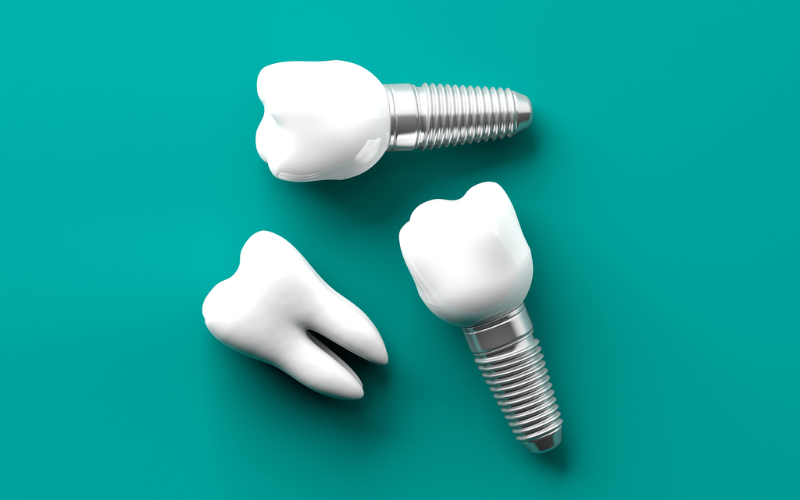
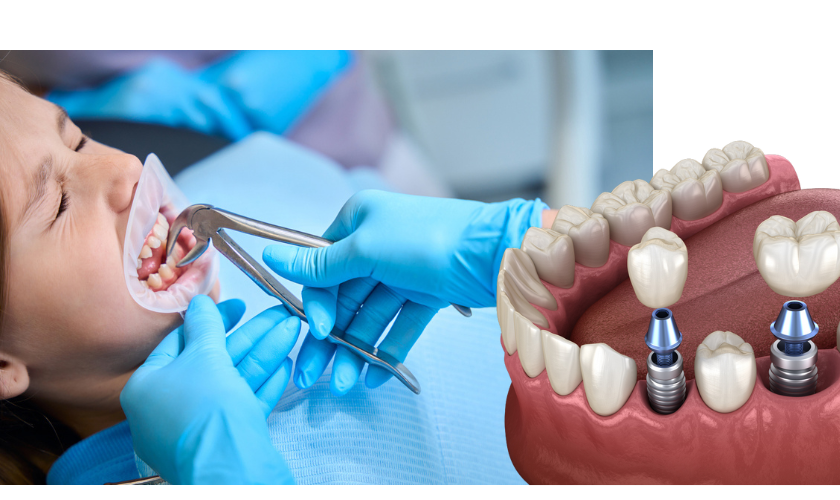
Dental implants are essentially artificial tooth roots made of titanium that are surgically inserted into your jawbone. They eventually bond with the bone in a process known as osseointegration, creating a strong and stable foundation for replacement teeth. Dental implants are designed to mimic the appearance, feel, and function of your natural teeth, providing a long-term solution for tooth loss.
Unlike dentures or bridges, which can be removed and are not as comfortable or functional, dental implants in Nashua are fixed in place. They don’t slide or move, which makes them a favored choice for many patients. Whether you need to replace just a single tooth, multiple teeth, or even an entire arch of teeth, dental implants provide the next best thing.
Are Dental Implants Right for You?
Dental implants can be a life-changing option for individuals seeking tooth replacement, but they are not suitable for everyone. Whether you’re a good candidate for the procedure depends on several key factors. Here’s a look at what to keep in mind:
- Overall Health and Wellness: Dental implants require good overall health for a successful procedure. Chronic conditions such as diabetes or heart disease must be under control before you have surgery.
- Sufficient Jawbone Density: For the implant to properly integrate with your jawbone, the bone must be strong and healthy. If you’ve lost bone, procedures such as bone grafting may be needed to create the foundation for the implant.
- Gum Health: Healthy gums are essential to supporting implants. This can lead to complications during healing, and so it must be treated if the person is suffering from gum disease before proceeding with implants.
- Commitment to Proper Aftercare: Dental implants require long-term care. Regular check-ups and good oral health are very important to ensure the success of the implants. Without this investment, the implants might fail.
Why You Should Consider Dental Implants
Dental implants have many benefits and are a preferred option for replacing lost teeth. These are just a few of the many benefits:
1. Improved Functionality and Comfort
Implants work just like your natural teeth, so you can eat, speak, and smile confidently. While cherishing the predictable plates at Nashua’s hometown hangouts, like The Peddler’s Daughter and Nashua Garden, you are safe in knowing that your implants will remain firmly fixed.
2. Aesthetic Appeal
For starters, implants look natural, and they should complement the appearance of your smile. Most patients feel a more youthful, anatomical appearance with their new implants, which increases their self-esteem and confidence.
3. Long-Term Solution
Dental implants can last a lifetime with proper care. They’re tough, sturdy, and built to withstand everyday use. While dentures need to be refitted and replaced regularly, implants are permanent and stable.
The Dental Implants Process: Step-by-Step
When it comes to dental implants, the process is multi-step and must be followed for success and durability. Here’s a general idea of what you will go through in the process:
1. Initial Consultation
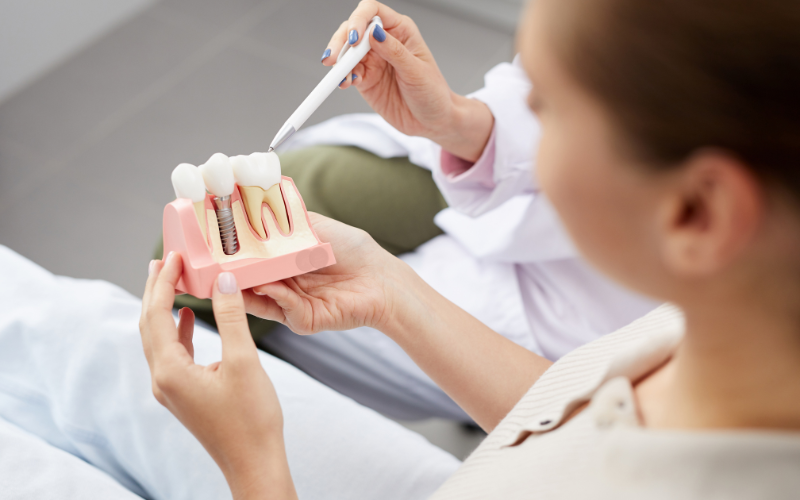
The process starts with a consultation with the implant dentist. During this visit, your dentist will determine if you are a candidate for it and perform X-rays or scans to assess the health of your teeth, gums, and jawbone. This helps determine the ideal treatment plan for you.
2. Placement of the Titanium Implant
After you have been cleared for surgery, the next stage is to place the titanium implant in your jawbone. You generally undergo this procedure under local anesthesia, so you’re comfortable during the entire process.
3. Healing and Integration
Once the implant is inserted, you have to wait a few months for it to heal. This will allow the implant to fuse with your bone (called osseointegration), creating a strong base for your new tooth.
4. Crown Placement
A customized crown is then fitted to the top of the implant, once it has fully integrated. It finishes off your restoration, giving you a functional and appearance-wise natural tooth.
Aftercare and Maintaining Your Implants
After your dental implants have been placed, proper aftercare is key to prolonging the life of your new teeth and your overall oral health. Here are important steps you can take to maintain your implants in great condition:
1. Practice Good Oral Hygiene
Dental implants must be cleaned regularly, just like natural teeth. Brush your implants at least twice a day and gently floss around them to remove plaque and food debris. To get your sticky floss into all the nooks and crannies of an implant without leaving room for biofilm, use a non-abrasive toothbrush and dentist-approved flossers or threaders.
2. Regular Dental Checkups
Routine check-ups with your dentist are important in tracking the status of your implants. During examinations, your dentist will look for signs of complications, including gum infection an implant movement, and will perform professional dental implant cleaning.
3. Avoid Hard or Sticky Foods
Although dental implants are strong, it’s best to refrain from biting into hard foods like ice or sticky sweets. They can place excess stress on the implants and potentially damage or alter the crown.
4. Quit Smoking
It can affect your implant’s success by disrupting the healing process. If you smoke, be proactive and quit smoking to promote greater oral health and the success of your implants for years to come.
5. Protect Your Implants During Sports
Avoid risky behavior: If you play contact sports, wear a mouthguard to prevent injury to your dental implants. This helps avoid trauma to both the implants themselves and the surrounding teeth.
Ready to Restore Your Smile?
If you have been thinking about dental implants, you are not alone. Many Nashua patients have chosen dental implants to restore their smiles and improve their quality of life. When properly cared for, they can even last a lifetime, allowing individuals to enjoy the simple pleasures of life, from eating at their favorite restaurants to smiling confidently with pain-free function.
If you want information about dental implants in Nashua, or are considering the procedure yourself, do not hesitate. Just call us today at Advanced Family Dentistry Nashua and book a consultation. Whether you have questions or need guidance through the steps of smile restoration, our team would love to help!
Questions People Ask About Dental Implants
1. How long does the dental implant procedure take?
The dental implant procedure typically takes several months. After the implant is placed, it takes about 3 to 6 months for the bone to fuse with the implant before a crown is placed.
2. Are dental implants painful?
The procedure is usually performed under local anesthesia, so you shouldn’t feel any pain during the surgery. Afterward, you may feel mild discomfort, which can be managed with over-the-counter pain relievers.
3. How long do dental implants last?
With proper care, dental implants can last a lifetime. They are durable and resistant to decay, making them a long-term solution for missing teeth.
4. Can anyone get dental implants?
Most people with healthy gums and sufficient jawbone density are good candidates for dental implants. If you have bone loss, your dentist may recommend bone grafting to prepare for the procedure.
5. How should I care for my dental implants?
Caring for dental implants is similar to caring for natural teeth. Regular brushing, flossing, and dental checkups are essential for keeping your implants and gums healthy.