Top Family, Cosmetic and Implant Center In 537 Amherst St, Nashua, NH 03063

Is a Dental Bridge Right for Your Missing Teeth
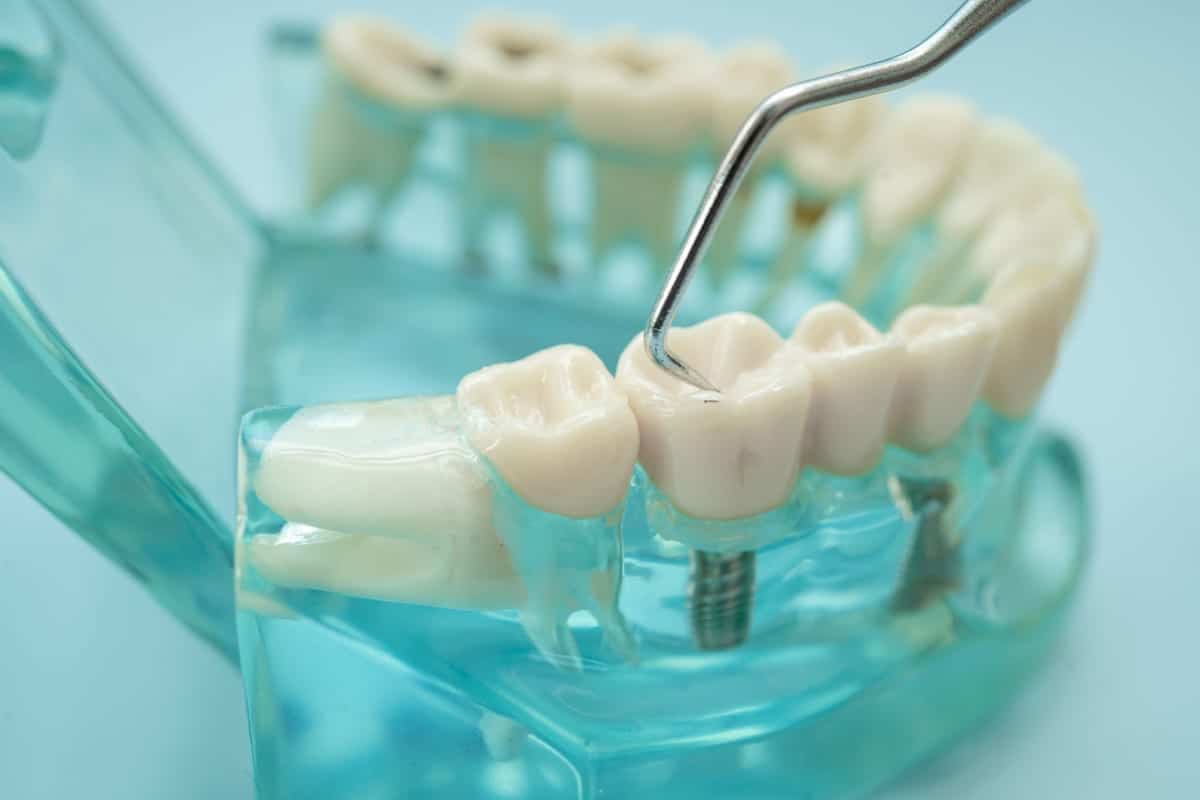
Losing a tooth can feel overwhelming. You may wonder how it affects your smile, your bite, and your confidence. If you’ve been asking yourself, is a dental bridge right for your missing teeth in Nashua, you’re not alone. At Advanced Family Dentistry Nashua, Dr. Praveena Bhat helps patients explore the best tooth replacement options for their unique situations.
A dental bridge is a fixed restoration that fills the gap left by a missing tooth. It uses the surrounding teeth as anchors to hold a replacement tooth in place. Not everyone is an ideal candidate, though. Understanding who qualifies — and what factors matter — helps you make a confident, informed decision.
What Is a Dental Bridge and How Does It Work in Nashua?
A dental bridge literally bridges the space between two healthy teeth. The teeth on either side of the gap are called abutment teeth. A custom-made artificial tooth, called a pontic, sits between them and restores function and appearance.
The abutment teeth are reshaped slightly to support the bridge. A Dental Crown Nashua is placed on each abutment tooth to hold the pontic securely. This creates one connected restoration that looks and feels natural.
Bridges are cemented permanently in place. You care for them like natural teeth with brushing and flossing. Most bridges last 10 to 15 years with proper maintenance.
Who Is a Good Candidate for a Dental Bridge in Nashua?
The right candidate for a dental bridge meets several key criteria. Dr. Bhat evaluates each patient carefully before recommending this restoration. The goal is always long-term oral health and comfort.
You may be a strong candidate if you meet the following conditions:
- You have one or more adjacent missing teeth in a row
- Your surrounding teeth are healthy and structurally sound
- Your gums are free from active periodontal disease
- Your jawbone is stable without significant bone loss
- You are committed to proper oral hygiene habits
- You prefer a fixed restoration over removable options
Patients who have lost teeth due to injury or decay often qualify well. If your neighboring teeth already have large fillings or crowns, a bridge may be even more practical. Crowning them as part of the bridge serves a dual purpose.
Age can also be a factor. Younger patients whose jawbones are still developing may not be ideal candidates. Dr. Bhat discusses timing and alternatives with younger patients in these cases.
What Factors Affect Your Candidacy for a Dental Bridge?
Not every missing tooth situation calls for a bridge. Several clinical factors influence whether this option is the best fit for your mouth. Dr. Bhat conducts a thorough evaluation before making any recommendation.
Key factors that affect candidacy include:
- Gum health: Active gum disease must be treated before placing any restoration
- Bone density: Significant bone loss can affect how well the bridge functions
- Number of missing teeth: Bridges work best when replacing one to three consecutive teeth
- Neighboring tooth condition: Abutment teeth must be strong enough to support the bridge
- Bite alignment: Misaligned bites may place uneven stress on a bridge
- Overall oral hygiene: Poor hygiene increases the risk of decay under the bridge
If you have gum disease, Dr. Bhat may recommend periodontal care before moving forward. Treating the underlying condition protects the longevity of any restoration placed afterward.
Patients with significant bone loss may be better served by Dental Implants Nashua instead. Implants integrate with the jawbone and don’t require reshaping healthy neighboring teeth. Dr. Bhat compares both options with you based on your specific case.
What Does the Dental Bridge Evaluation Look Like?
Your candidacy evaluation at Advanced Family Dentistry Nashua is thorough and personalized. Dr. Bhat doesn’t take a one-size-fits-all approach. Every patient’s mouth is different, and your plan should reflect that.
Here is what you can expect during your evaluation:
- Comprehensive oral exam: Dr. Bhat examines your teeth, gums, and surrounding structures
- Digital X-rays: Imaging reveals bone levels, root health, and hidden issues
- Bite assessment: Your bite is evaluated to ensure a bridge won’t create uneven pressure
- Gum health screening: Periodontal health is confirmed before treatment planning
- Treatment discussion: Dr. Bhat walks you through your options and explains each recommendation clearly
The evaluation is also an opportunity to ask questions. Many patients want to know about the procedure timeline, what recovery looks like, and how a bridge compares to other options. Dr. Bhat takes time to address every concern.
If a bridge is right for you, the process typically takes two appointments. The first appointment prepares the abutment teeth and places a temporary bridge. The second appointment delivers and cements your permanent restoration.
Dental Bridge vs. Other Tooth Replacement Options in Nashua
Choosing the right tooth replacement depends on more than preference. Clinical suitability plays the biggest role. Dr. Bhat helps patients understand when a bridge is the best choice — and when another option serves them better.
Dental implants are often considered the gold standard for tooth replacement. They preserve bone, don’t affect neighboring teeth, and can last a lifetime. However, they require surgery and a longer treatment timeline.
Dentures are another alternative for patients missing multiple teeth. They are removable and more affordable upfront. However, they don’t offer the same stability or bone preservation as fixed options.
A dental bridge offers a reliable middle ground. It’s fixed, natural-looking, and faster to complete than an implant. For patients who aren’t surgical candidates or want a quicker solution, a bridge is often an excellent choice.
Frequently Asked Questions
How long does a dental bridge last?
Most dental bridges last between 10 and 15 years with proper care. Brushing twice daily, flossing under the bridge with a floss threader, and attending regular checkups all extend the lifespan of your restoration significantly.
Does getting a dental bridge hurt?
The procedure is performed with local anesthetic, so you won’t feel pain during the appointment. Some patients experience mild sensitivity or soreness afterward. This typically resolves within a few days. Dr. Bhat ensures your comfort throughout the entire process.
Can I eat normally with a dental bridge?
Yes, most patients return to a normal diet after their bridge is placed. It’s best to avoid extremely hard or sticky foods that could place excess stress on the restoration. Over time, eating with a bridge feels completely natural.
What happens if I don’t replace a missing tooth?
Leaving a gap unfilled allows neighboring teeth to shift out of position. This can affect your bite, create spaces that trap food, and lead to additional tooth loss over time. Jawbone loss also begins in the area where the tooth root is missing.
Is a dental bridge better than a denture for one missing tooth?
For a single missing tooth with healthy adjacent teeth, a bridge is often preferred over a partial denture. Bridges are fixed, more stable, and generally more comfortable for everyday function. Dr. Bhat evaluates your specific situation to recommend the most appropriate option.
If you’re still wondering whether a dental bridge is right for your missing teeth in Nashua, the best next step is a personalized evaluation. Dr. Praveena Bhat and the team at Advanced Family Dentistry Nashua are here to guide you with care and expertise. Book Now to schedule your appointment with our team.